

The world of education is transforming faster than ever! Gone are the days when understanding meant only sitting in a certain classroom. Today, eLearning trends technology is making education more adaptable, personal, and stronger than we could have imagined. This change is real for everybody, from young students at the top schools in Dehradun to working experts everywhere. Even prestigious units such as the top boarding schools are embracing technology tools to enhance how students learn.
As we look towards 2026, let us discover the most impactful eLearning trends that are thoroughly transforming the education landscape, making sure that whether you attend one of the CBSE boarding schools or are looking for personal upskilling, your learning experience will be top-notch.
Trends Focused on Personalized & Smart Learning
The biggest transformation in eLearning is moving from a one-size-fits-all system to learning experiences that are customized only for you.
eLearning Trends
1. Artificial Intelligence Powered Personalization
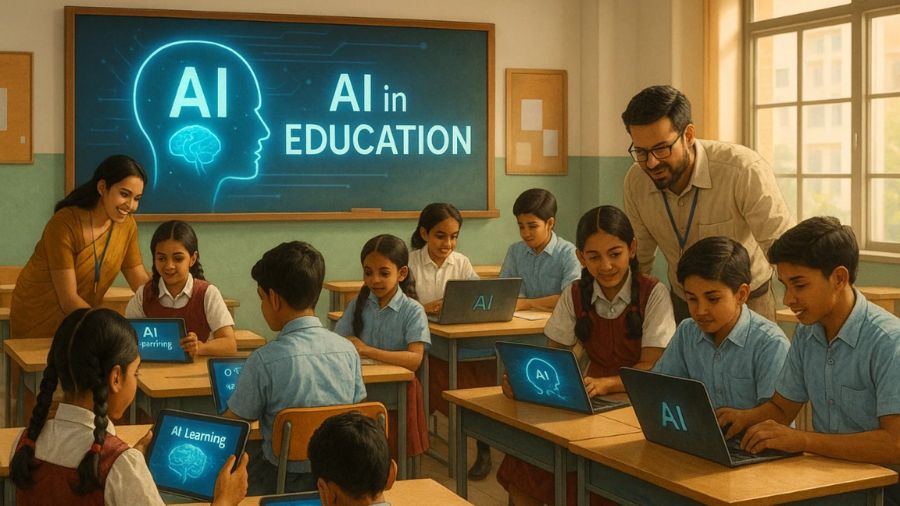
AI is the engine of the future classroom. It not only grades papers; it works as a smart tutor. AI tracks how quickly you learn, what thoughts you struggle with, and what time of day you learn best.
- Impact – AI then adjusts the content, pace, and challenge of lessons in real-time. This level of customization makes sure that every student, whether in a big class or a specialized program at the best CBSE schools in Dehradun, gets precisely the assistance they require to succeed.
2. Adaptive Learning Systems
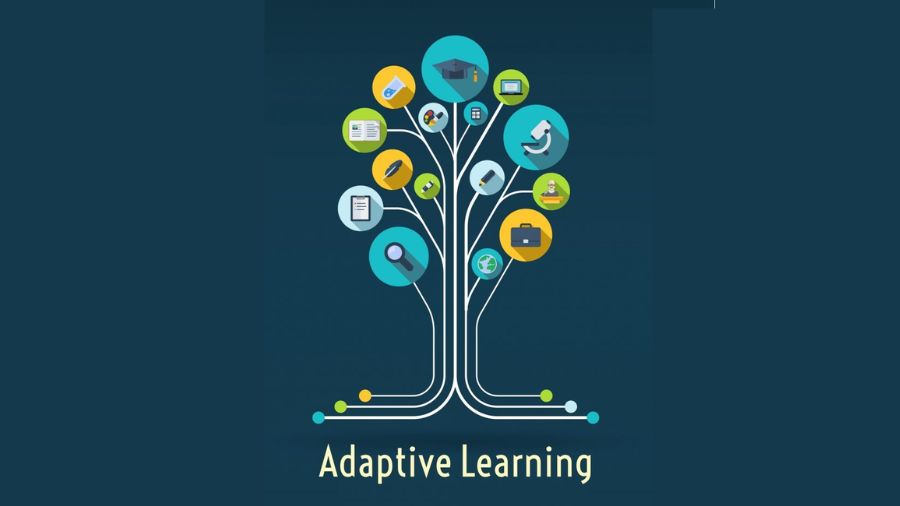
Adaptive learning is the practical application of AI. Rather than everybody reading Chapter 5 after Chapter 4, the system only takes you ahead when you have demonstrated you really comprehend the material. If you get stuck, it automatically provides you with additional practice or a distinct explanation.
3. Learning Experience Platforms
Forget the old, clunky Learning Management Systems. LXPs are the cool, contemporary version. They feel more like Spotify or Netflix; they suggest content, concentrate on self-discovery, and let the learner take control. LXPs are developed for lifelong learning, making education a constant, involving habit.



4. Learning in the Flow of Work/Life

In 2026, learning will prevent feeling like something you have to stop and do. Rather, it will be incorporated directly into your regular life or work tools. For an expert, this means a short training video pops up right inside the software they are utilizing. For a student, it means quick, context-specific assistance without leaving their assignment.
5. Data-Driven Learning Analytics
Educational units, comprising the best boarding schools in India for girls, will utilize better data to see what functions work and what do not. They can monitor involvement, completion rates, and test scores to instantly locate a student who may be struggling and move in with assistance, optimizing the teaching way for better outcomes.
Trends Focused on Format & Content Delivery
How and where you access your lessons is being thoroughly re-imagined to fit our busy, mobile-first lives.
6. Microlearning and Nanolearning

Attention spans are becoming shorter. Microlearning breaks down complicated topics into small, bite-sized chunks, like short videos or interactive flashcards. Nanolearning is even smaller.
- Impact – This format is ideal for fast review, expert upskilling, and students who are required to fit study sessions into their packed schedule.
7. Mobile-First Design (M-Learning)

With everyone holding a smartphone, courses should be constructed to look and work ideally on a mobile screen first, not as an afterthought. This makes sure students can really learn “on the go,” whether they are on a weekend trip or commuting.
8. Immersive Learning (AR/VR)
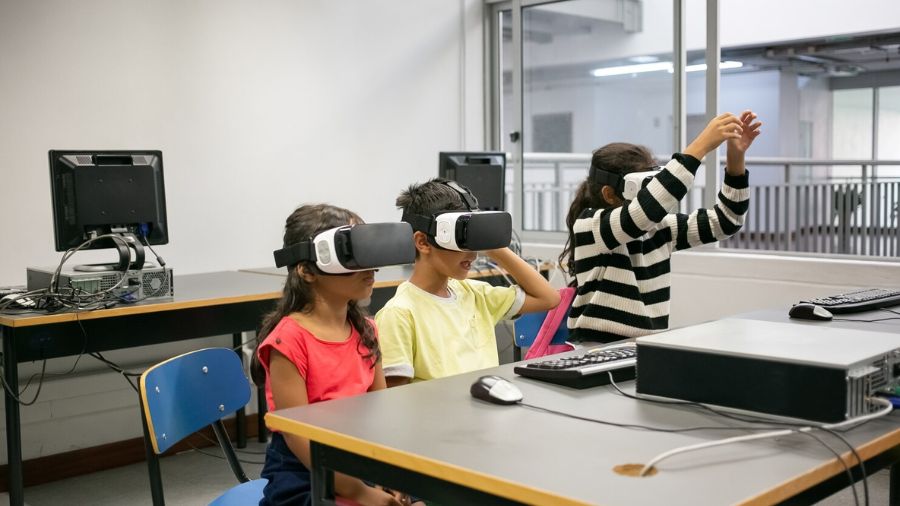
Augmented Reality and Virtual Reality are making learning an experience, not only reading text.
- AR – Utilizing a phone or tablet, or overlaying digital objects onto the real world.
- VR – Thoroughly shutting out the real world to enter a simulation.
9. Video-First and Multimodal Content

Video remains king. Future content will be short, expert, and interactive. Multimodal learning means delivering the same content in various formats so the learner can select the format that is most suitable for them at the moment.
Trends Focused on Community & Credentials
Learning is becoming more social, and the way skills are identified is transforming to be quicker and more concentrated on particular capabilities.
10. Cohort-Based Learning (CBL)
Traditional online courses can feel lonely. CBL puts a team of students through the same course at the same time. This fosters social learning through live discussions, group assignments, and peer support.
- Relevance – This mimics the community and collaborative atmosphere found in the top boarding schools in India, making sure online learners do not miss out on crucial social interaction.
11. Social Learning and Collaboration Tools

Learning outlets are adding more features to motivate students to talk to each other. Consider built-in discussion boards, peer-review systems, and live group chats that assist students in learning from each other’s experiences and perspectives.
12. Micro-Credentials and Digital Badges
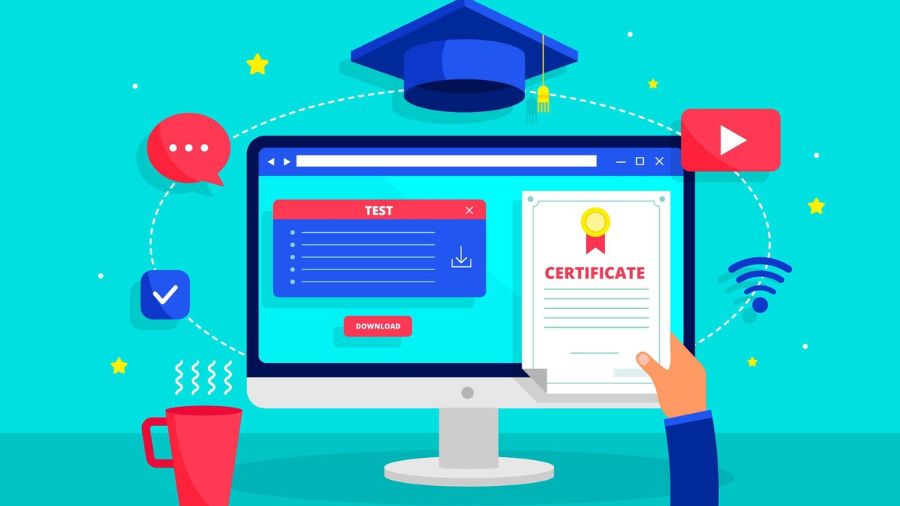
The conventional 3-4 year degree isn’t the only path anymore. Micro-credentials are small, verifiable digital certificates that prove mastery in a single particular skill.
- Impact – These permit experts to upskill faster and prove their competence to employers instantly, without requiring a full-time course.
13. Blockchain Technology for Credentials
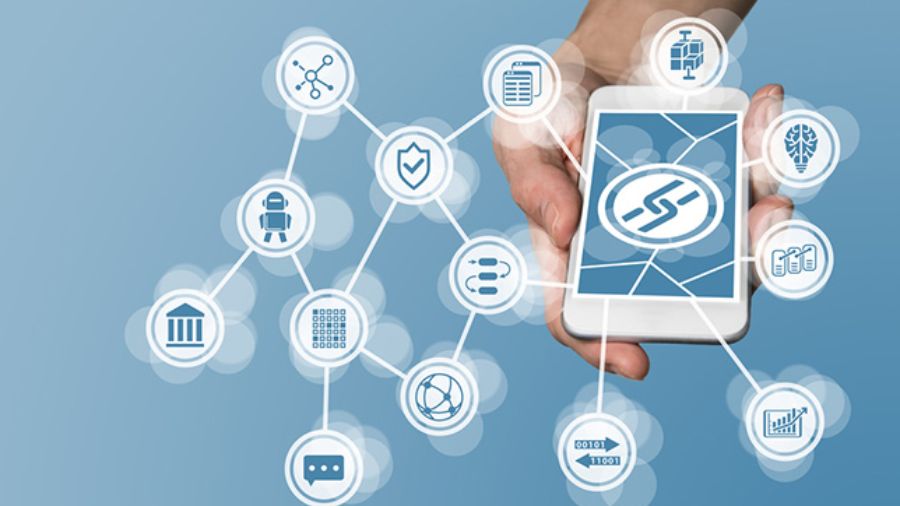
To make micro-credentials reliable, Blockchain technology is being utilized. It makes a tamper-proof, protected, and effortlessly feasible record of your academic achievements. An employer can immediately check if your digital certificate is true, making your new skills extremely portable and credible.
Trends Focused on Holistic Development & Strategy
Education aims to prepare students for the real world in addition to imparting technical skills.
14. Focus on ‘Power Skills’
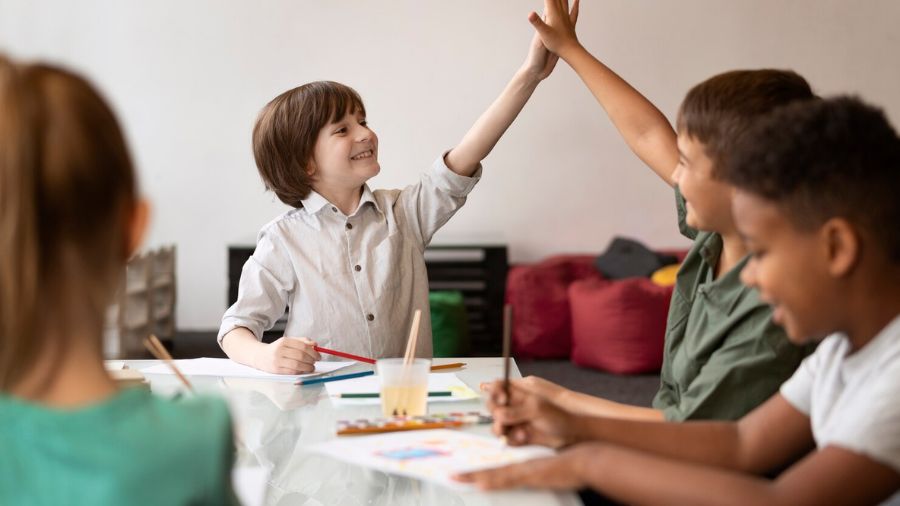
The term soft skills is outdated; now we call them Power skills. These are the human capabilities that AI can’t replicate: critical thinking, complicated problem-solving, emotional intelligence, and collaboration.
- Educational Shift – Future eLearning will incorporate training for these skills, usually through immersive VR simulations where students practice difficult conversations or leadership scenarios. This is vital for shaping well-rounded leaders, an objective shared by the best boarding schools in India for girls.
15. Hybrid Learning Models

The pandemic popularized the mix of online and in-person learning. In 2026, Hybrid learning will be perfected. It means strategically selecting which parts of the course are the finest delivered online and which need face-to-face interaction.
- Outcome – This scalable model permits units such as CBSE Dehradun boarding school to utilize their physical facilities for high-value collaborative work while taking advantage of online tools for personalized content delivery.
A significant turning point will occur in 2026 when technology enables learning to be genuinely individual-centered. Whether an adult wants to change careers or a student from The Asian School, one of the top schools in Dehradun, is preparing for competitive exams, eLearning offers the resources for a personalized, engaging, and highly successful journey. Education’s brilliant, adaptable, and future-ready era has truly arrived.
Also Read: School Admission Season 2026 – What Every Parent Should Know