




Exams serve as a vital component of educational activities, which students must complete throughout their entire academic journey from their first school year until their last year of school. For students, exams function as their introductory encounter with organized assessment procedures, which include study sessions and standardized testing criteria. The exam period becomes a time of tension when people do not manage their study time effectively. Students who establish appropriate study patterns during their examination period will achieve academic progress through their assessment process.
A well-planned exam routine helps children stay calm, confident, and healthy. Young learners receive guidance from both parents and schools during this developmental period. Parents today choose schools in Dehradun because these institutions provide a peaceful atmosphere with organized schedules and teaching methods that benefit their children. The Asian School Dehradun, together with other top Dehradun schools, offers students both academic training and emotional development support, which proves essential during their exam preparation period.
- Why Exam Time Routine Is Important for Primary School Children
- Understanding Exam Stress in Children Aged 6–10 Years
- How Much Should a Class 1–5 Child Study During Exams?
- A Simple and Practical Daily Exam Routine for Primary Students
- Best Study Time for Young Children During Exam Days
- Effective Revision Techniques for Class 1–5 Students
- Role of Sleep in Exam Performance for Primary Kids
- Healthy Diet Tips for Children During Exam Time
- Managing Screen Time During Exams for Young Learners
- How Parents Can Support Children Emotionally During Exams
- Common Exam-Time Mistakes Parents Should Avoid
- Importance of Play and Relaxation Even During Exams
- How a Structured School Environment Helps During Exams
- Boarding School Routine vs Home Routine During Exam Season
- Final Tips to Create a Stress-Free Exam Routine for Primary Children
Why Exam Time Routine Is Important for Primary School Children

Routine is critical for children aged 6 to 10. A consistent schedule creates feelings of comfort and security. Children often experience additional nervousness or apprehension during test-taking, and therefore, routines become critical for them during this time.
The routine for taking a test –
1. Helps children to know when to study and when to take breaks,
2. Minimizes worry and confusion,
3. Develops an early understanding of discipline,
4. Increases their ability to focus and retain information,
5. Reduces pre-exam panic.
Children who have a predictable routine are likely to have a greater sense of control, which contributes to lower levels of anxiety and improved levels of focus on their education.
Understanding Exam Stress in Children Aged 6–10 Years

People believe that young children do not experience exam stress, but this belief is incorrect. Primary school children experience stress, but they do not show their stress through clear signs.
The following symptoms show when students experience exam stress –
- Students display crying or become irritable
- Students complain about stomach pain or headaches
- Students experience sleeping problems
- Students show a decrease in their food intake
- Students display a fear of exams and school
Children often feel pressure because they want to make their parents and teachers proud. Some children worry about forgetting answers, while others fear being compared with classmates.
Parents must understand that exam stress at this age is emotional, not academic. A home atmosphere that maintains calmness and provides reassurance enables children to experience security and protection.
How Much Should a Class 1–5 Child Study During Exams?
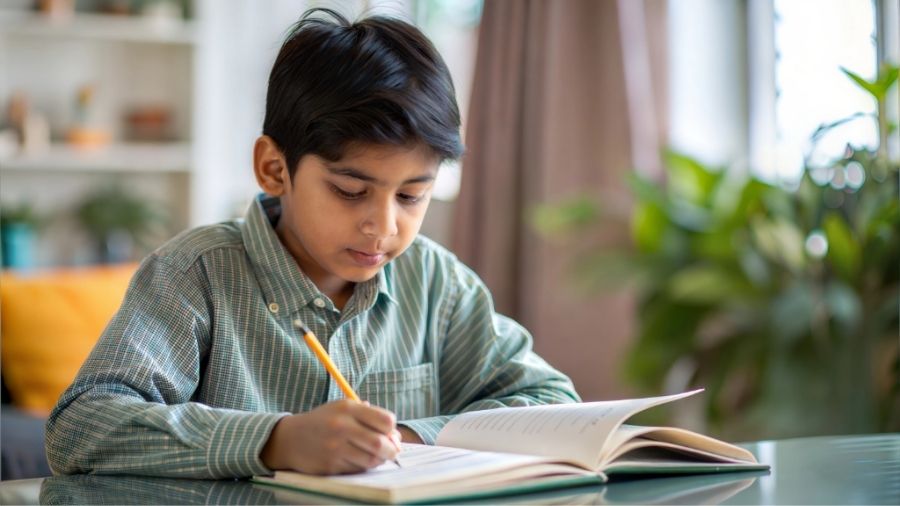
Young children in primary school do not need to study for long periods because they learn best through short study sessions with a focused mind.
The following study times are recommended –
- Grades 1-2 → 30-40 minutes per subject
- Grades 3-5 → 45-60 minutes per subject
Children should also be –
- Studying for short amounts of time
- Taking frequent breaks
- Revising regularly
- Focusing on understanding
Pushing a child to sit down and study for hours will only frustrate them and make them tired. It is much more important for your child to have quality study time than it is for them to have a large amount of study time.
A Simple and Practical Daily Exam Routine for Primary Students
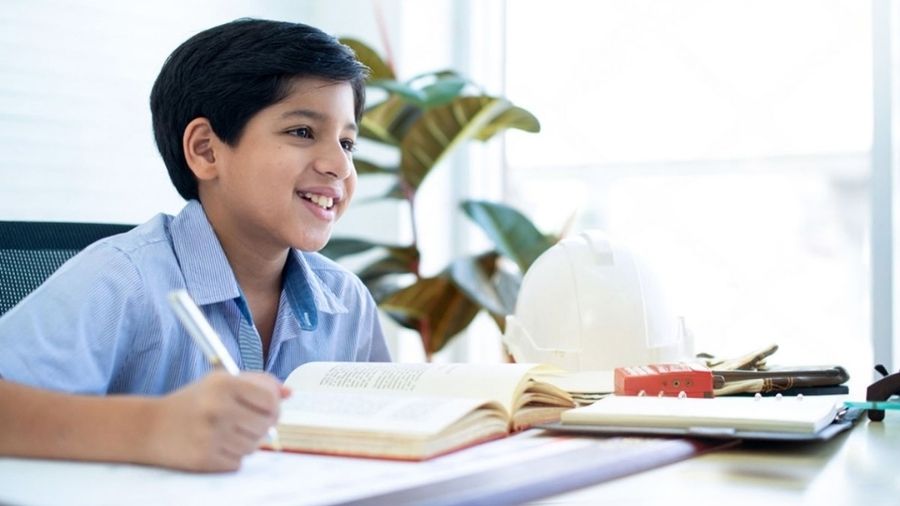
Here is an effortless and adaptable exam routine that parents can follow at home –
1. Morning
- 7:00 AM – Wake up and freshen up
- 7:30 AM – Healthy breakfast
- 8:00 AM – Revision of the most difficult subject
2. Mid-Morning
- 9:30 AM – Short break (walk, stretching)
- 10:00 AM – Second study session
- 11:00 AM – Free time or creative activity
3. Afternoon
- 12:30 PM – Lunch with family
- 1:30 PM – Rest or short nap
- 2:30 PM – Practice worksheets or writing work
4. Evening
- 4:00 PM – Outdoor play or indoor games
- 5:00 PM – Oral revision or quiz with parents
5. Night
- 6:30 PM – Dinner
- 7:30 PM – Story time or light reading
- 8:00–8:30 PM – Sleep
This routine balances study, play, and rest, which is critical for young kids.
Best Study Time for Young Children During Exam Days

Children are most active and alert during –
- Early morning
- Late afternoon
Morning hours are optimal for learning new topics, while evenings are best suited for revision. It’s advisable to avoid late-night study sessions, as they can negatively impact sleep and concentration the following day.
Children who get enough sleep and study during their natural alertness perform better in exams.
Effective Revision Techniques for Class 1–5 Students

The revision process needs to become enjoyable through interactive activities, which should replace monotonous tasks. The most effective revision methods include the following techniques –
1. Flashcards for spellings and formulas – Flashcards assist children in remembering words, numbers, and formulas rapidly. The colorful design makes learning enjoyable because it transforms study time into a fun experience.
2. Drawing pictures and diagrams – By drawing what they learn, children become more familiar with concepts. Pictures allow them to remember lessons for a longer time, particularly in subjects like EVS and Maths.
3. Oral questioning – Speaking out loud improves thinking skills and confidence. The method enables parents to assess their child’s educational progress and identify required assistance.
4. Practice worksheets – Children use worksheets to develop their writing and problem-solving skills. Students who practice regularly gain more confidence to face their exams.
5. Teaching parents what they learned – When children explain lessons to their parents, their understanding becomes stronger. Teaching others helps them remember concepts more clearly and builds their confidence.
Children who express their understanding through their own words demonstrate better comprehension of the material. You should use gentle encouragement to celebrate their accomplishments.
Role of Sleep in Exam Performance for Primary Kids

Sleep is especially critical during exams. A tired child can’t focus or remember what they studied.
Children aged 6–10 years need –
9–11 hours of sleep every night
Good sleep –
- Enhances memory
- Keeps children calm
- Helps the brain process information
Bypass screens before bedtime and keep a fixed sleeping schedule during exams.
Healthy Diet Tips for Children During Exam Time

A healthy diet helps the brain to grow and develop, and it improves concentration abilities.
The best food choices to eat during exam time are –
- Fruits and vegetables provide vitamins and minerals that help the brain work better. They also maintain active energy levels in children while protecting them from quick fatigue.
- Milk, curd, and cheese contain high levels of calcium and protein. These nutrients help to build strong bones while they support brain development during exam periods.
- These foods provide protein content, which enhances memory power and concentration ability. The foods allow children to maintain their energy levels while they remain full throughout the day.
- Whole grains like wheat, oats, and brown rice provide continuous energy throughout the entire day. The grains assist children in maintaining focus while preventing them from experiencing sleepiness or weakness.
- Drinking adequate water helps to maintain brain alertness while it boosts concentration abilities. Children experience fatigue and loss of focus even with minor dehydration.
People should stay away from junk food, sugary drinks, and heavy snacks. Healthy eating practices enable people to maintain their energy throughout the day while enhancing their ability to concentrate.
Managing Screen Time During Exams for Young Learners

Too much screen time decreases attention and increases distraction.
Straightforward rules –
- No screens during study time
- Restricted screen use after homework
- No screens before bedtime
Rather, promote reading, drawing, puzzles, or light physical activities during breaks.
How Parents Can Support Children Emotionally During Exams
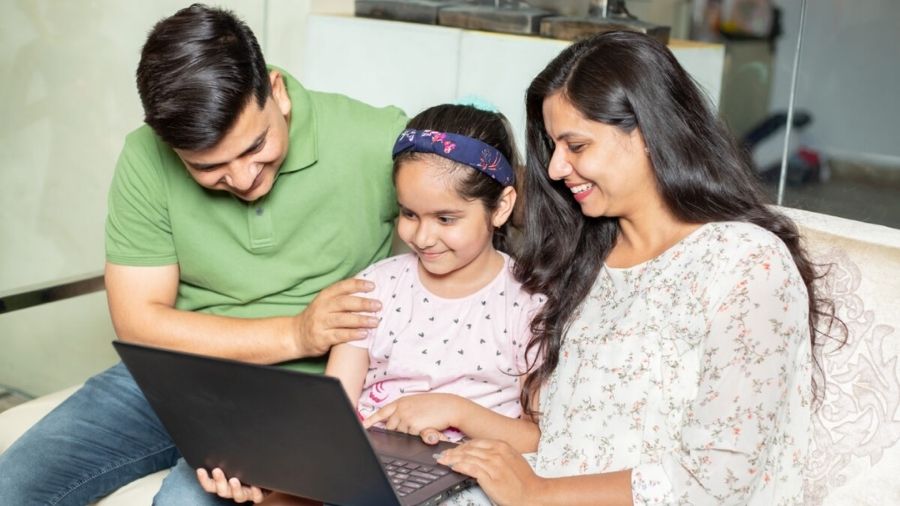
Parents play the most significant part in decreasing exam fear. Parents can assist by –
- It’s important to allow your child time to express their thoughts and feelings about what they are worried about or scared of. When you listen and give them time to speak without interrupting them, it gives them a sense of safety through understanding.
- Doing a great job at studying should be appreciated as much as the outcome. Providing positive reinforcement while studying builds confidence and reduces anxiety about taking exams.
- Celebrate small accomplishments throughout their learning process (finishing their homework, learning something new, etc.). Praise motivates a child and provides them with a sense of pride.
- Comparing your child to their siblings or classmates is not acceptable. This will create fear and decrease self-esteem.
- When parents demonstrate positive emotions (calm and hopeful), children will emulate those behaviours and develop the same emotions.
Children will perform better when they feel emotionally secure.
Common Exam-Time Mistakes Parents Should Avoid

Parents should bypass –
1. Putting too much pressure – Too much pressure makes children nervous and scared of exams.
2. Comparing children with others – Comparisons lower self-confidence and cause unwanted stress.
3. Scolding for mistakes – Scolding makes children scared to try and learn from mistakes.
4. Removing playtime completely – Without play, children feel tired and lose direction rapidly.
5. Discussing results constantly – Talking only about marks raises fear and decreases encouragement.
Such actions raise fear and decrease confidence.
Importance of Play and Relaxation Even During Exams
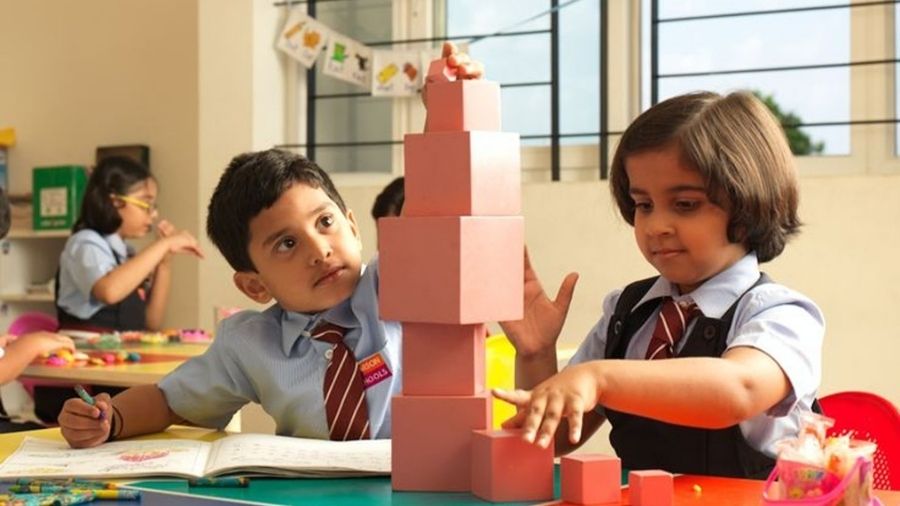
Play is vital for mental health. Advantages of play –
1. Alleviates Stress – By allowing kids to unwind, play provides a chance to relieve tension caused by taking tests.
2. Enhances Happy Feelings – Kids have a sense of being balanced and happy when engaging in enjoyable activities or sports.
3. Encourages Focus – After playing or exercising, kids are better able to concentrate on their schoolwork.
4. Fosters Creative Thinking – Playing allows for creative thinking and helps develop critical thinking and problem-solving abilities.
Kids should be provided with 30-45 minutes of playtime each day; this is especially important during exam periods.
How a Structured School Environment Helps During Exams

A well-organised learning environment gives –
1. Consistent learning schedules – Fixed times for learning provide consistency, which helps kids manage their time effectively and eliminate any last-minute panic as they prepare for examinations.
2. Teacher support – Teachers can provide clarity of explanation on topics, assist students with any confusion, and be present to assist with questions when taking exams.
3. Peer-to-peer support – Collaborating with peers has been shown to improve the speed of learning and encourage participation among students.
4. Support from teachers and staff – Students who feel safe and valued are able to build self-esteem and self-confidence as they grow and develop.
Some of the many schools in Dehradun have the reputation of providing structured programmes to their students throughout the academic year. As an example, many of the best schools in Dehradun, such as The Asian School Dehradun, have schedules that promote a proper balance between learning and overall well-being.
Boarding School Routine vs Home Routine During Exam Season

1. Boarding School Routine
- Fixed timetable – Setting a daily schedule helps children balance study, rest, and revision properly.
- Supervised study hours – Teachers confirm students study daily and stay concentrated during prep time.
- Peer motivation – Studying with classmates promotes wholesome competition and discipline.
- Teacher support – Teachers offer guidance and clarification during exams.
2. Home Routine
- Flexible schedule – Parents can adjust study time based on their child’s comfort and energy level.
- Parental guidance – Parents are responsible for providing emotional support and personal attention to their children on exam days.
- Comfort of home – Children feel more relaxed when at home.
Final Tips to Create a Stress-Free Exam Routine for Primary Children
- Prepare for exams well before they occur.
- Keep things simple and changeable throughout exam prep.
- Work on comprehension rather than memory.
- Have enough time for studying as well as time for fun.
- Help and inspire on a daily basis.
Exams are only part of what we have when we educate our children. A child who is happy and confident will always learn more effectively.