




Exam Results can be an emotional time for both children and parents, especially in a highly competitive environment, such as schools in India. As results approach, excitement, anxiety, hope, and fear often mix in every household. For students, this period can feel overwhelming, as their efforts over months are reduced to a set of numbers or grades.
For parents, it’s an important moment that calls for understanding, patience, and thoughtful guidance. Exam results are not just a measure of academic performance; they are an opportunity to encourage growth, resilience, and self-belief. So, what matters most is how parents respond, whether they choose pressure or encouragement, or criticism or constructive support.
The way parents handle this moment can shape a child’s confidence and motivation for years to come. Instead of focusing only on scores, parents should focus on support, perspective, and thoughtful planning for the next steps ahead.
Key Areas for Parents to Focus on
1. Managing Emotions: Stay Calm and Supportive
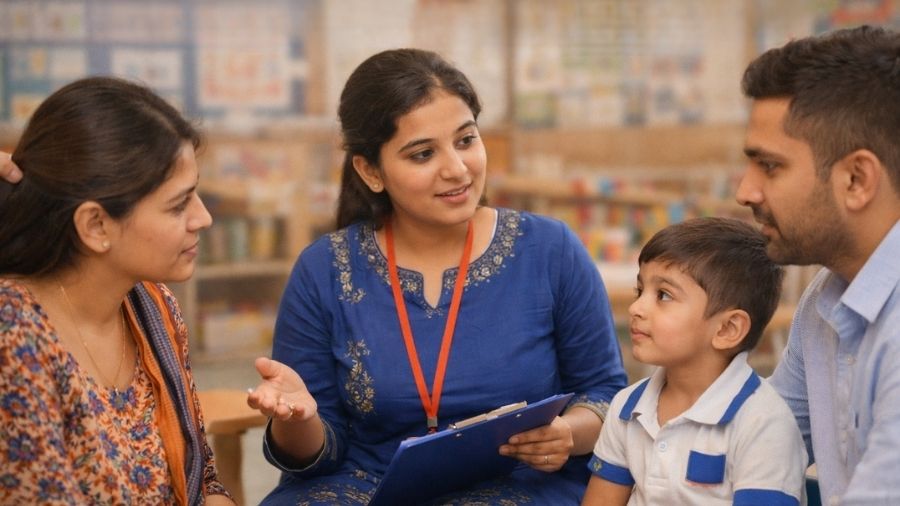
Exam results can trigger strong emotions in both parents and children. Before reacting, it’s important for parents to pause and manage their own feelings. Children often mirror their parents’ responses, so staying calm and composed sets a positive tone. A balanced reaction helps create a safe space for honest conversation and future planning.
- Responding to Good Results: When your child performs well, celebrate their hard work and dedication rather than just the marks. Parents can also refer to a school list in India to understand the academic standards and opportunities their child may pursue next. Acknowledge the efforts, discipline, and consistency that led to success. Avoid putting extra pressure on yourself by immediately raising expectations for the next exam.
- Handling Disappointing Results: If the results are not as expected, then respond with empathy instead of anger. Share examples of schools like Asian School Dehradun, which prioritize holistic development and resilience to show that academic setbacks are not the end of the road. Talk with them and try to learn what may have gone wrong.
- Avoiding Comparison with Other Students: Comparing your child with friends, classmates, or relatives can damage confidence and strain relationships. Every child has unique strengths, interests, and learning speeds. So, instead of comparisons, focus on your child’s personal progress.
Also Read: Importance of Studying Literature
2. Understanding the Bigger Picture
Exam results are only one part of a child’s learning journey. In schools in India, marks are often highlighted, but parents should focus on overall development, skills, and growth.
- Results are Feedback, Not a Final Judgment: Grades reflect performance at a particular moment, not a child’s full potential. Looking at the school list in India can help parents understand that different institutions value many skills, reminding children that one exam does not define intelligence or future opportunities.
- Identifying Strengths and Weak Areas: Parents should help children reflect on subjects or skills where they excel, as well as areas that need improvement. This process allows for targeted support and growth, rather than criticism. Highlighting examples like Asian School Dehradun, which emphasizes holistic development, shows that identifying strengths and weaknesses early can help a child grow academically and personally.
- Recognizing Effort Over Marks: Always praise your child’s efforts and consistent hard work. This helps children build resilience and a growth mindset. Parents who focus on dedication rather than only grades build confidence, motivation, and long-term learning habits.
3. Having the Right Conversation with Your Child

After exam results, communication is key. In many schools in India, children face pressure to perform, so parents must create an environment where children feel safe and comfortable, so children can talk freely.
- Asking Open-Ended Questions: Instead of asking, “Did you do well?” parents should ask questions like “What did you enjoy learning?” or “Which areas were challenging?” It encourages children to share honestly and develop confidence.
- Listening Without Criticism: Active listening shows empathy and builds trust. Avoid interrupting or immediately pointing out mistakes. Highlight examples from Asian School Dehradun, where teachers emphasize constructive guidance, demonstrating how supportive listening motivates children to improve without fear of judgment.
- Setting a Positive Tone for Improvement: Focus discussions on solutions, learning, and future planning rather than dwelling on failures. Encouraging children with cheer-ups helps them stay motivated, build confidence, and adopt a growth mindset.
4. Planning Next Step Academically
- Discussing Subject Choices and Future Academic Paths: After exam results, parents should guide their children by reviewing subject performance. Encourage your child to consider their passions and potential.
- Exploring Tutoring or Additional Support if Needed: Use exam results to identify topics or skills where your child struggles. Consider different support options like private tutoring, online courses, or study groups, and ensure that help is targeted, consistent, and measurable.
- Setting Realistic Goals and Expectations: Set realistic goals by defining short-term targets for weekly or monthly improvement. Plan long-term academic or career paths and celebrate the efforts and progress of your child to maintain motivation beyond just grades.
5. Emotional and Mental Well-Being
- Recognize Stress and Disappointment in Children: Exams can be stressful, and children may feel anxious, frustrated, or disappointed if results are lower than expected. Parents should watch for signs like loss of interest in usual activities or excessive worry and respond with gentle, non-judgmental conversation.
- Promoting Self-Confidence: Building self-confidence in children helps them cope with academic setbacks, while resilience teaches them to recover from challenges. Parents can also encourage growth by praising efforts and problem-solving skills.
- When to Seek Professional Support: Some children may experience stress, anxiety, or self-esteem issues that affect their daily lives. This may need expert intervention. Consider consulting a school counselor to provide guidance.
6. Long-Term Perspective

- Emphasizing Learning Over Grades: Grades reflect performance at a point in time, but true education is about understanding, curiosity, and growth. Focus on how much your child has learned and improved rather than just the numeric scores. Encourage questions, exploration, and deeper comprehension.
- Highlighting Alternative Paths to Success: Academic results are not the only route to a fulfilling career or personal growth. Other courses, skill-based programs, creative pursuits, and entrepreneurship can also lead to success. Discuss options openly, help your child explore interests, and normalize non-traditional ones as valid and valuable.
- Encouraging Lifelong Skills and Habits: Encouraging these skills is also important for long-term success beyond school. Parents can help their children by building time management, problem-solving, adaptability, and effective communication.
Conclusion
Exam results are just one step in a child’s learning journey. Parents should focus on support, perspective, and growth, encouraging resilience, lifelong skills, and self-confidence. Thoughtful guidance, open communication, and realistic planning help children navigate challenges, build motivation, and embrace learning beyond grades.
The Asian School supports parents by providing guidance and resources to navigate post-exam stress. Through regular parent-teacher interactions, counseling sessions, and progress updates, parents gain insight into their child’s strengths, weaknesses, and emotional needs.
Moreover, the school prioritizes holistic development, resilience, and lifelong skills, helping parents encourage growth, motivation, and a positive mindset at home.
Also Read: Role Of Computer In Education