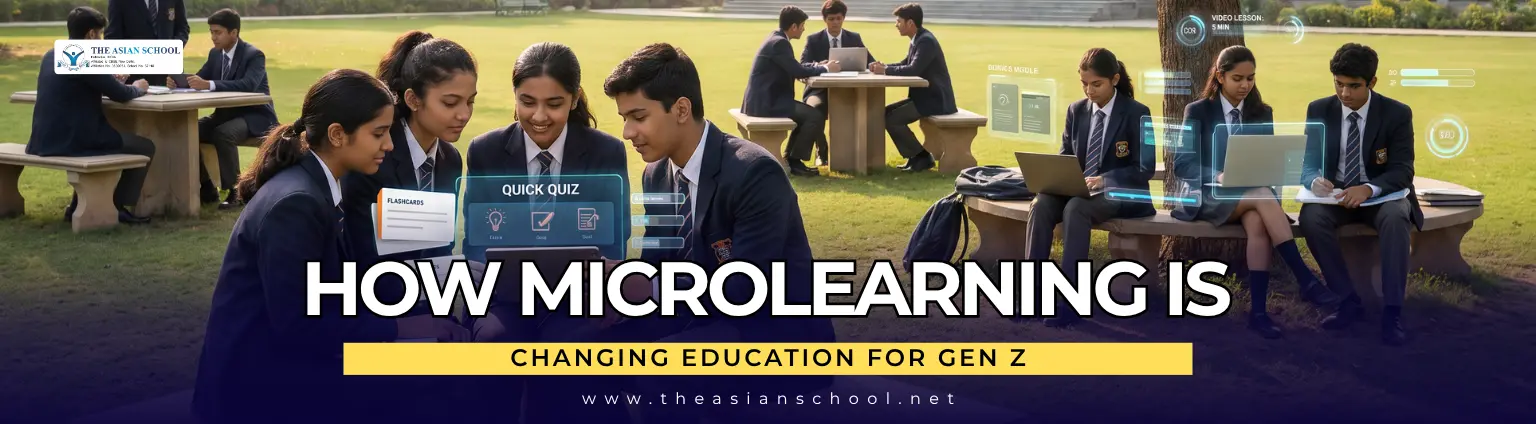


Microlearning transforms education for Gen Z by breaking topics into short, bite-sized units. Each unit or session lasts about 10 minutes and can align with the digital habits and cognitive preferences of Generation Z.
The way Gen Z students learn is different than the previous generations. For Gen Z, who have grown up with smartphones, short-form content, and digital platforms, traditional methods may not always work in keeping them engaged. However, microlearning transforms education by dividing chapters, topics, and concepts into short videos, infographics, and games, making learning engaging and fun for Gen Z.
What is Microlearning?
Microlearning is an educational approach that provides information in the form of short, bite-sized chunks. It is divided into short modules, each lasting for about 2 to 10 minutes.
In every session, students learn about a specific topic, concept, problem, or skill. These learning sessions include engaging use of technology, such as short videos, quick quizzes, infographics, and games.

This process helps educators and teachers keep students engaged and having fun with learning, rather than reading long chapters with no practical application or just memorizing facts, dates, and events.
Types of microlearning include:
- Short Videos
- Interactive Quizzes
- Infographics
- Digital flashcards
- Interactive Simulations
- Micro-Podcasts
What are the Benefits of Microlearning for Gen Z?
Here are the benefits of microlearning for Gen Z students:
- Improves Knowledge Retention: Short sessions on concepts or topics help students retain knowledge effectively.
- Boosts Engagement in Class: Students stay focused and engaged in class.
- Supports Flexible Learning: Students who need to learn at a slower pace can benefit from this approach.
- Integration of Technology: Microlearning can include digital learning methods such as videos, infographics, etc, making knowledge easier to process and understand.
- Encourages Continuous Learning: Gamified learning and small chunks of information help students learn continuously, reducing boredom.
- Faster Learning Outcomes: With microlearning, students can quickly learn concepts and topics and quickly apply them in practical applications.
Why Microlearning Can Work Well for Gen Z?
There are many reasons why Generation Z learns better with microlearning. Some of those are because of short attention spans, the need for instant feedback, gamification of learning, and the use of technology in the process.
Look at the reasons below why Gen Z learns better with microlearning:
- Digital Habits Alignment
Generation Z children were born in the age of the internet and mobile phones. Also, while growing up, constant exposure to social media and short-form content influences how they interact with information.
In the case of microlearning, it mirrors short-form content, dividing chapters and concepts, making learning easy.
- Reduces Cognitive Overload
Instead of overwhelming students with a large amount of information, microlearning breaks it into small pieces or sessions. This makes it easier for Gen Z to process, understand, and retain that knowledge in the long-term.
- Uses Mixed Media
Microlearning uses different types of media, including images, videos, infographics, quizzes, and flashcards, rather than just long, boring paragraphs. This makes overall learning engaging and familiar for them, as they are native to or grow up using smartphones and watching TV.
- Self-Paced Learning
Not every child learns as fast as others do. They need a slow pace, in which they can process and understand the information. Microlearning transforms education for those students by allowing them to learn at their speed, helping them retain it better and remember it for longer.
- Adds Gamification
Getting a reward for achieving something motivates you to do it again and again. As microlearning also adds games, in which students get points and badges, it makes the overall learning process fun. It reduces the chances of students getting bored, especially Generation Z.
How Can Schools Apply Microlearning?
It is clearly visible as a fact that microlearning transforms education by making learning more engaging and easier for students to retain. But how can schools in India adopt this system so they can make their learning process more effective for students?
Here is how schools can integrate microlearning:
- Short Explainer Videos
Whether it’s a day school or a boarding school in India, they must include short videos as part of their curriculum to teach or explain chapters or concepts. This converts the theoretical knowledge into visual information, helping students to understand it better.
- Daily Knowledge Chunks
To help the students remember concepts and topics in the long-term, teachers can start or end the class with a quick overview, fun facts, or challenging questions. These daily chunks of knowledge also keep students engaged and active in learning.
- Flipped Classrooms
As homework, teachers can also ask students to watch 5 to 10 minutes of video related to what they learned in class before discussing on next day. This also helps students become independent and responsible about their studies.
- Interactive Quizzes
Teachers can use interactive quizzes and digital flashcards to help students repeat what they learnt a while ago in the classroom. This repetition of information builds stronger memory, helping students remember better.
- Engaging Games
Students of every generation enjoy learning through games, whether they are Gen Z, millennials, or Gen Alpha. Games encourage active participation and attention that help students stay engaged throughout the learning process or a session.
Also Read: List of Best Boarding Schools In Dehradun
What are the Disadvantages of Microlearning?
Here are the disadvantages of microlearning:
- Covers only a small amount of information, which limits in-depth knowledge of concepts and topics.
- Students need to study regularly on their own, which is difficult for weak students.
- Learning in small parts may feel disconnected from the main topic for students.
- It may reduce personal interaction with teachers, friends, and classmates.
- It is also not ideal for everyone, as some students prefer longer or more detailed sessions.
Conclusion
Microlearning transforms education by making the learning process fun and engaging for students. By including fun games, interactive quizzes, and short video lessons, it helps them easily understand concepts and retain them better. Schools in India can use the microlearning method through smart learning methods like videos, simulations, infographics, daily knowledge chunks, quizzes, and games.
Moreover, top institutions like The Asian School, Dehradun, have adopted the microlearning approach in its curriculum. By integrating short-form content, gamified learning, simulations, and others, we help students understand concepts and apply them in real-world applications.
Frequently Asked Questions:
- How long should a microlearning session be?
An ideal microlearning session should last around 2 to 10 minutes.
- Is microlearning suitable for Gen Z students?
Yes, microlearning is suitable for Gen Z students.
- Can microlearning be used in schools in India?
Yes, microlearning can be used in schools in India.
- Does microlearning help students remember information better?
Yes, microlearning helps students remember information better by breaking it down into small chunks.
- What are some examples of microlearning?
Here are some examples of microlearning:
- Short Videos
- Digital Flashcards
- Micro-Quizzes
- Infographics
- Simulations